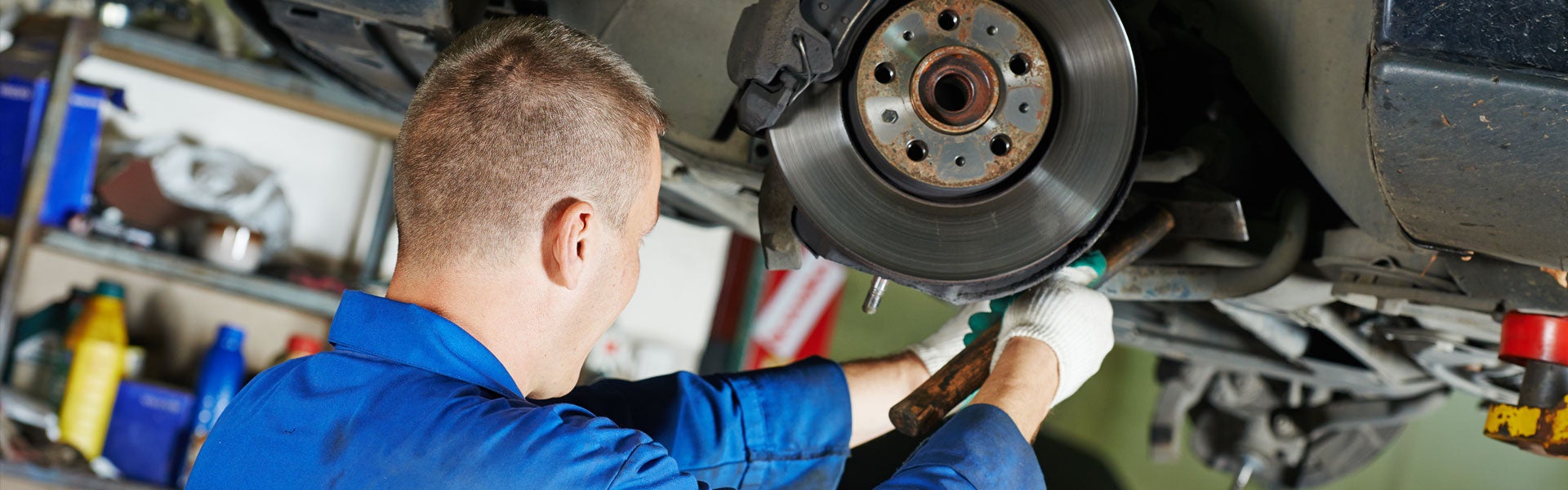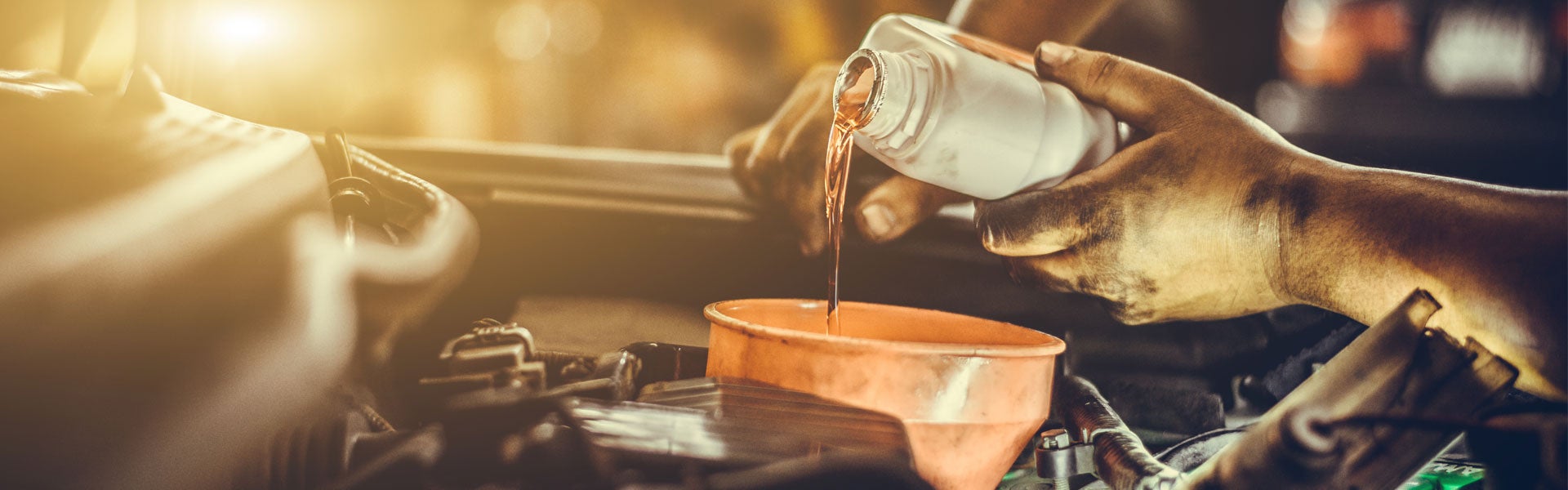


Your brakes are the single most important safety system on your Chevrolet, and knowing when to inspect, repair, or replace them can mean the difference between a close call and a serious accident. No matter if you drive a Silverado 1500, an Equinox, or a Tahoe in Orlando, FL, this Chevrolet Brake Service Guide gives you the information you need to stay safe on the road. Why Brake Maintenance is Important Brake components wear down gradually, which means problems can develop slowly and go unnoticed until they become serious. Rotors, brake pads, calipers, and brake fluid all have service intervals that depend on your driving habits, vehicle weight, and road conditions. Drivers who frequently tow, haul heavy loads, or navigate stop-and-go traffic, will typically see faster brake wear than those who primarily drive on open highways. Warning Signs That Your Brakes Need Attention Knowing what to listen and feel for is the first step in staying ahead of brake problems. A high-pitched squealing sound when you apply the brakes is one of the most common early indicators. Most brake pads include a metal wear indicator that produces this noise intentionally once the pad material gets low - usually around 2 to 3 millimeters of thickness remaining. A grinding or growling noise is more serious. That sound typically means the brake pads have worn through completely, and metal is contacting the rotor directly. At that point, you risk scoring the rotor surface, which can require rotor replacement in addition to new pads. Other warning signs include a soft or spongy brake pedal, the vehicle pulling to one side during braking, vibration or pulsing through the pedal, and the brake warning light coming on. How Often Should You Inspect Your Brakes? A general best practice is to have your brakes visually inspected at every tire rotation, which typically falls around every 5,000 to 7,500 miles. A technician can check pad thickness, rotor condition, and caliper function without removing the wheel on most vehicles. Brake pads on most Chevrolet models typically last between 30,000 and 70,000 miles depending on driving style and conditions. Rotors often last through two sets of brake pads, but they should be measured for thickness and checked for warping or scoring at each pad replacement. Brake fluid is frequently overlooked. Chevrolet recommends checking brake fluid condition regularly, as it absorbs moisture over time, which lowers its boiling point and can reduce braking performance. Many technicians recommend a brake fluid flush every two to three years. Repair vs. Replacement: What's the Difference? Not every brake service requires a full replacement. In some cases, a brake caliper can be rebuilt or a stuck slide pin can be cleaned and lubricated to restore even pad wear. Minor rotor surface rust from sitting overnight is normal and clears up with normal driving. However, if a rotor has worn below its minimum thickness specification or shows deep grooves from metal-on-metal contact, resurfacing may not be an option - replacement is the safer choice. Similarly, if brake pads have worn unevenly due to a sticking caliper, both the pads and the caliper should be addressed together to prevent the problem from recurring. Replacing brake components in axle pairs - both front or both rear at the same time - helps maintain balanced stopping performance and is the standard recommendation for most Chevrolet vehicles. Visit AutoNation Chevrolet Airport for Brake Service If you notice any of the warning signs described in this Chevrolet Brake Service Guide, don't wait. Brakes that are inspected and serviced early are almost always less expensive to fix than brakes that have been ignored. Visit AutoNation Chevrolet Airport online to schedule a brake inspection with certified technicians who know your Chevrolet inside and out. Keeping your brakes in top condition is one of the smartest investments you can make for your safety and the safety of everyone around you.